



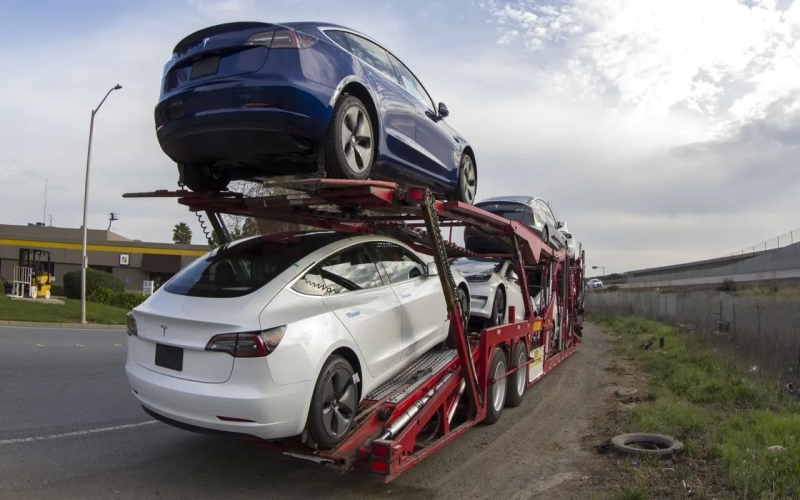
Introduction to the rise of electric vehicles
The world is in the midst of a transportation revolution, and electric vehicles (EVs) are leading the charge. As concerns about climate change intensify, more people are making the switch to EVs, captivated by their promise of cleaner air and lower carbon footprints online craps. But what’s driving this surge? Is it just about being trendy or cool? Not quite. The shift toward electric mobility is rooted in a deep-seated desire for sustainability and innovation.
As we navigate through this electrifying landscape, it’s crucial to understand how these vehicles impact our environment—especially when it comes to carbon emissions. Let’s dive into the fascinating details surrounding electric vehicles and explore how they could reshape our planet’s future for the better.
What makes electric vehicles better for the environment?
Electric vehicles (EVs) are transforming the transportation landscape. They use electricity as a fuel source, which significantly reduces reliance on fossil fuels.
One major advantage is their zero tailpipe emissions. Unlike traditional gas-powered cars, EVs don’t emit harmful pollutants that contribute to air quality issues and climate change.
The energy sources for charging can also be cleaner. As renewable energy adoption grows, more EVs will run on wind or solar power rather than coal or natural gas. This shift leads to even lower carbon footprints over time.
Moreover, electric motors are inherently more efficient than internal combustion engines. They convert about 60% of electrical energy from the grid to power at the wheels compared to only 20% from gasoline in typical vehicles.
As technology advances, battery production methods improve too. Innovations focus on sustainable materials and recycling processes that minimize environmental impact further down the line.
Current state of carbon emissions from transportation
Transportation is a significant contributor to global carbon emissions. In fact, it accounts for nearly one-quarter of all greenhouse gasses released worldwide. This sector includes cars, trucks, ships, trains, and airplanes.
Road vehicles are the largest offenders. Gasoline and diesel engines pump millions of tons of CO2 into the atmosphere each year. Urban areas suffer particularly high levels due to dense traffic and congestion.
Air travel also has an outsized impact on emissions. While fewer passengers fly compared to those who drive daily, planes release large amounts of greenhouse gasses at high altitudes.
As cities grow and populations increase, transportation will likely continue its upward trajectory in carbon output unless drastic measures are taken. The urgency to find cleaner alternatives has never been more pressing as climate change looms larger on the horizon.
How electric vehicles can reduce carbon emissions
Electric vehicles (EVs) have the potential to significantly cut carbon emissions in several ways. First, they run on electricity rather than gasoline or diesel https://multyshades.com/. This switch is crucial since burning fossil fuels releases a substantial amount of CO2 into the atmosphere.
When charged with renewable energy sources like wind or solar, EVs can operate nearly carbon-free. This makes them an attractive option for environmentally conscious consumers and businesses alike.
Moreover, electric motors are inherently more efficient than internal combustion engines. They convert a higher percentage of electrical energy from the grid to power at the wheels, minimizing waste.
As adoption grows, manufacturers are also innovating in battery technology and recycling processes. These advancements not only reduce emissions associated with production but also lessen environmental impacts over the vehicle’s lifespan.
As cities invest in charging infrastructure and cleaner grids emerge, EVs will play an essential role in lowering transportation-related carbon footprints.
Challenges and limitations of widespread adoption of electric vehicles
Adopting electric vehicles (EVs) isn’t without its hurdles. One major challenge is the availability of charging infrastructure. While urban areas are seeing improvements, rural regions often lack sufficient stations. This can deter potential buyers who fear running out of power during trips.
Another concern is battery production and disposal. Manufacturing batteries requires significant resources, which can lead to environmental harm if not managed properly. Additionally, recycling these batteries remains a complex issue that needs attention.
Cost remains a hurdle for many consumers as well. Although prices are decreasing, EVs still tend to be more expensive upfront than traditional cars. The long-term savings on fuel and maintenance aren’t always enough to sway hesitant buyers.
Consumer perception plays a role too. Many people remain skeptical about the range and performance of electric vehicles compared to gas-powered ones, creating an additional barrier in their widespread acceptance.
Government policies and incentives to promote electric vehicle use
Governments around the world are recognizing the importance of electric vehicles (EVs) in combating climate change. Many have introduced policies aimed at increasing EV adoption through various incentives.
Tax credits and rebates for purchasing electric cars are among the most popular measures. These financial perks make EVs more accessible to a broader audience, encouraging drivers to make the switch from traditional gas-powered vehicles.
In addition to direct financial incentives, some regions offer benefits like access to carpool lanes or reduced registration fees. Such advantages can significantly enhance the appeal of owning an electric vehicle.
Infrastructure development is another key focus. Governments are investing in charging stations, making it easier for consumers to charge their vehicles conveniently.
Furthermore, many countries have set ambitious targets for phasing out internal combustion engines altogether. This forward-thinking approach signals a commitment not just to promote EV use but also to create a sustainable future for transportation.
Future outlook on the impact of electric vehicles on carbon emissions
The future of electric vehicles (EVs) paints a promising picture for carbon emissions reduction. As technology advances, we can expect even more efficient batteries and longer ranges. This will make EVs accessible to a broader audience, including those in rural areas where charging infrastructure is currently lacking.
Automakers are investing heavily in EV development, which indicates a strong belief in the long-term viability of these vehicles. More models are entering the market every year. With increased competition comes innovation that benefits consumers and the environment alike.
Renewable energy sources are becoming more integrated into power grids worldwide. As this trend continues, the electricity used to charge EVs will come from cleaner sources. This shift means that as we increase our reliance on electric transport, we’re also reducing our overall carbon footprint.
Public awareness about climate change and sustainable practices is rising too. People want greener options for their daily commutes and road trips. The demand for electric vehicles will likely drive further investment and improvement in both vehicle technology and charging infrastructure.
While challenges remain—like battery disposal concerns and initial costs—the trajectory suggests an encouraging outcome for our planet’s health through widespread adoption of EVs. By embracing this change now, we stand to gain significant environmental benefits down the road.
