



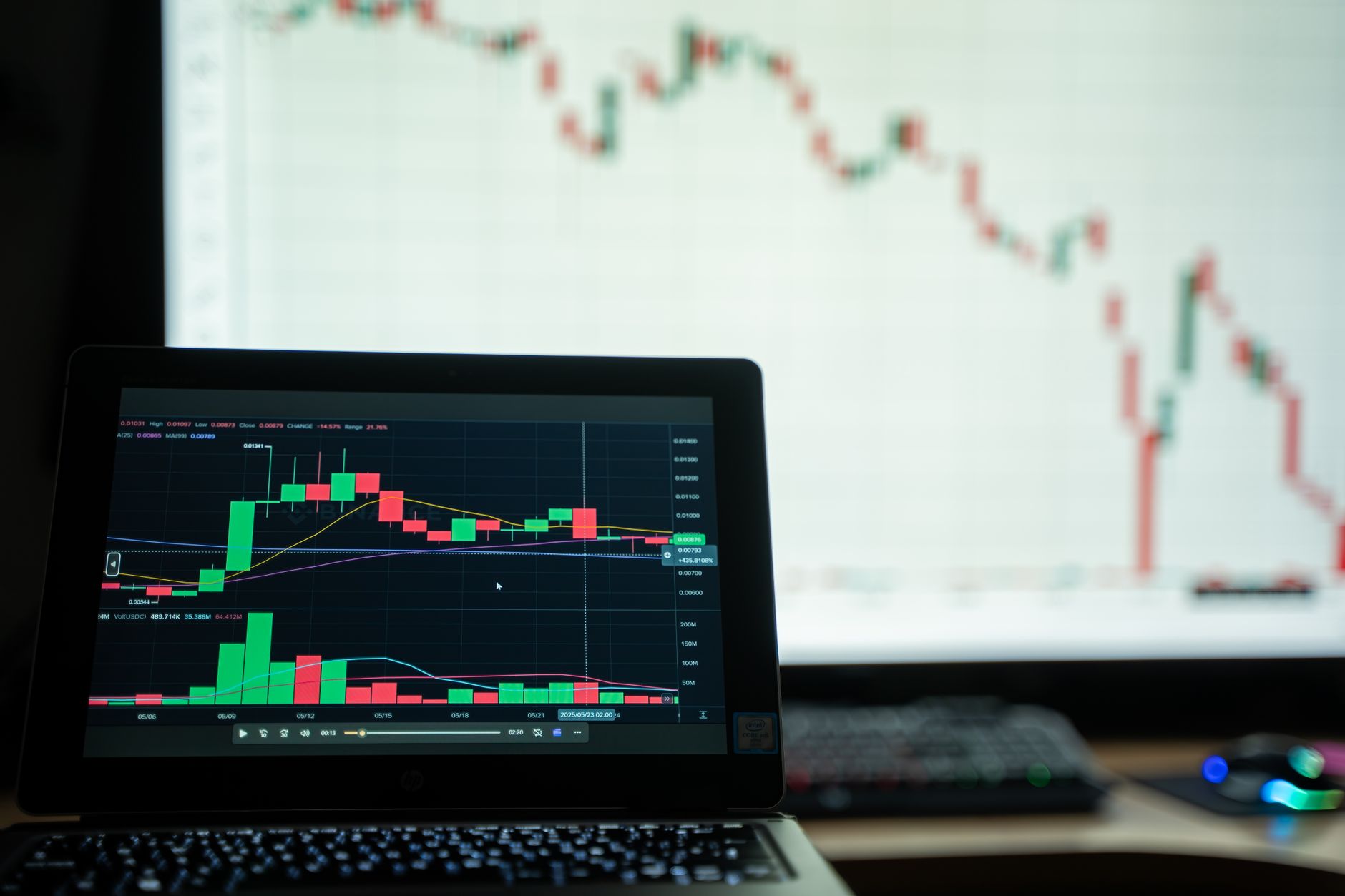
Leverage is one of the defining features of CFD trading, giving traders access to larger market exposure without committing the full value of a position. While this creates opportunities to amplify returns, it also magnifies losses when trades move in the wrong direction. Successful CFD traders understand that leverage itself is neither good nor bad. The outcome depends on how it is managed.
Many experienced traders discover that consistent profitability is built on disciplined risk management rather than finding a perfect trading strategy. Technical analysis may help identify high-probability opportunities, but without proper position sizing and capital protection, even accurate market predictions can result in disappointing long-term performance.
Why Position Sizing Matters More Than Entry Timing
Many traders spend countless hours refining chart patterns, indicators, and market signals while giving far less attention to position sizing. In reality, determining how much capital to commit to each trade often has a greater impact on long-term performance than finding the ideal entry point. Professional traders recognise that preserving capital allows them to remain active through both winning and losing periods.
Position sizing works by limiting exposure to any single trade. Rather than risking a large portion of an account on one opportunity, disciplined traders typically allocate only a small percentage of their capital to each position. This approach reduces the impact of inevitable losing trades while allowing profitable setups to contribute steadily to account growth.
Financial educators, trading professionals, and market regulators consistently emphasise risk control as a foundation of sustainable trading. Although strategies vary across markets and trading styles, there is broad agreement that disciplined position sizing helps reduce emotional decision-making and improves consistency over time.
Managing Leverage Without Increasing Emotional Pressure
Leverage can make relatively small market movements produce meaningful gains or losses. While this increases trading flexibility, it also raises emotional pressure when positions become too large. Fear, greed, and impatience often influence decisions more when traders overextend themselves.
Effective leverage management begins before entering a trade. Traders should define their maximum acceptable loss, establish stop-loss levels based on technical analysis, and calculate position size accordingly. This structured process prevents leverage from dictating risk and instead allows risk tolerance to determine the appropriate position size.
Many active traders choose established brokers that provide transparent trading conditions, educational resources, and practical risk management tools. When evaluating trading platforms, firms such as ADSS are often considered alongside other reputable providers because they offer features that support disciplined execution rather than encouraging excessive risk-taking.
Technical Analysis Should Guide Risk, Not Replace It
Technical indicators can improve trade selection, but they cannot eliminate uncertainty. Markets respond to economic releases, geopolitical developments, changing investor sentiment, and unexpected events that no indicator can fully predict. Every technical setup carries a probability of success rather than a guarantee.
This reality makes stop-loss orders an essential part of technical trading. Instead of placing stops at arbitrary distances, experienced traders often position them at logical technical levels such as support, resistance, moving averages, or trendline breaks. This allows the market room to fluctuate naturally while maintaining predefined risk limits.
Equally important is maintaining a favourable risk-to-reward ratio. Traders frequently evaluate whether the potential reward justifies the capital at risk before entering a position. Over a series of trades, consistently seeking larger potential gains than possible losses can contribute to stronger overall performance even if every trade is not successful.
Building Consistency Through Risk Management
One of the greatest advantages of disciplined risk management is its ability to reduce emotional volatility. Traders who know exactly how much they can lose before entering a position are generally less likely to make impulsive decisions during periods of market uncertainty.
Consistency also comes from following a written trading plan. This plan typically outlines market selection, technical criteria, position sizing rules, acceptable leverage, entry conditions, exit strategies, and daily or weekly loss limits. Following predefined rules helps remove emotion from decision-making and creates a repeatable trading process.
Maintaining a trading journal further strengthens performance. Recording trade setups, risk levels, emotional responses, and outcomes allows traders to identify recurring strengths and weaknesses. Over time, this feedback becomes one of the most valuable tools for improving discipline and refining technical strategies.
Conclusion
Technical analysis provides valuable insight into market behaviour, but sustainable CFD trading depends on much more than identifying chart patterns or market signals. Position sizing, disciplined leverage, carefully planned exits, and consistent risk management form the foundation that supports long-term trading performance. These practices help traders navigate uncertainty while reducing the emotional impact of market fluctuations.
Active CFD traders who prioritise capital preservation alongside technical skill are often better equipped to remain consistent across changing market conditions. By treating every trade as part of a broader risk-managed process instead of an isolated opportunity, traders can build greater confidence, improve decision-making, and pursue long-term success with discipline and control.
